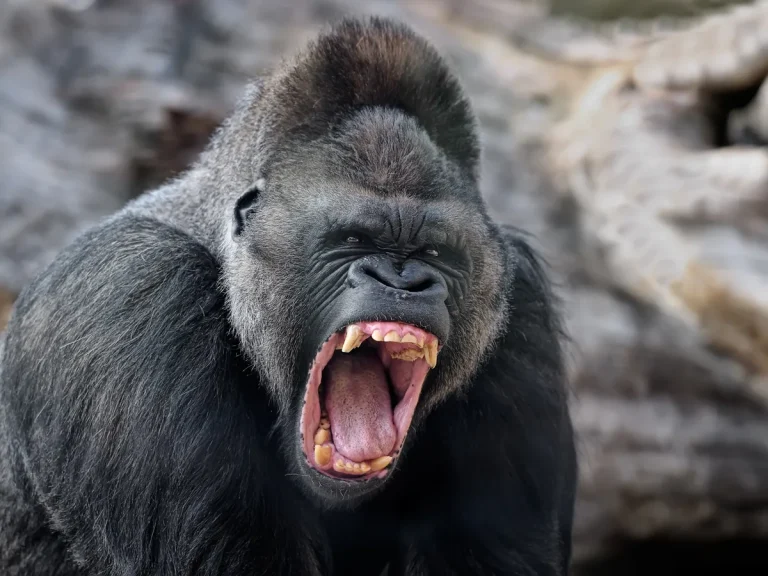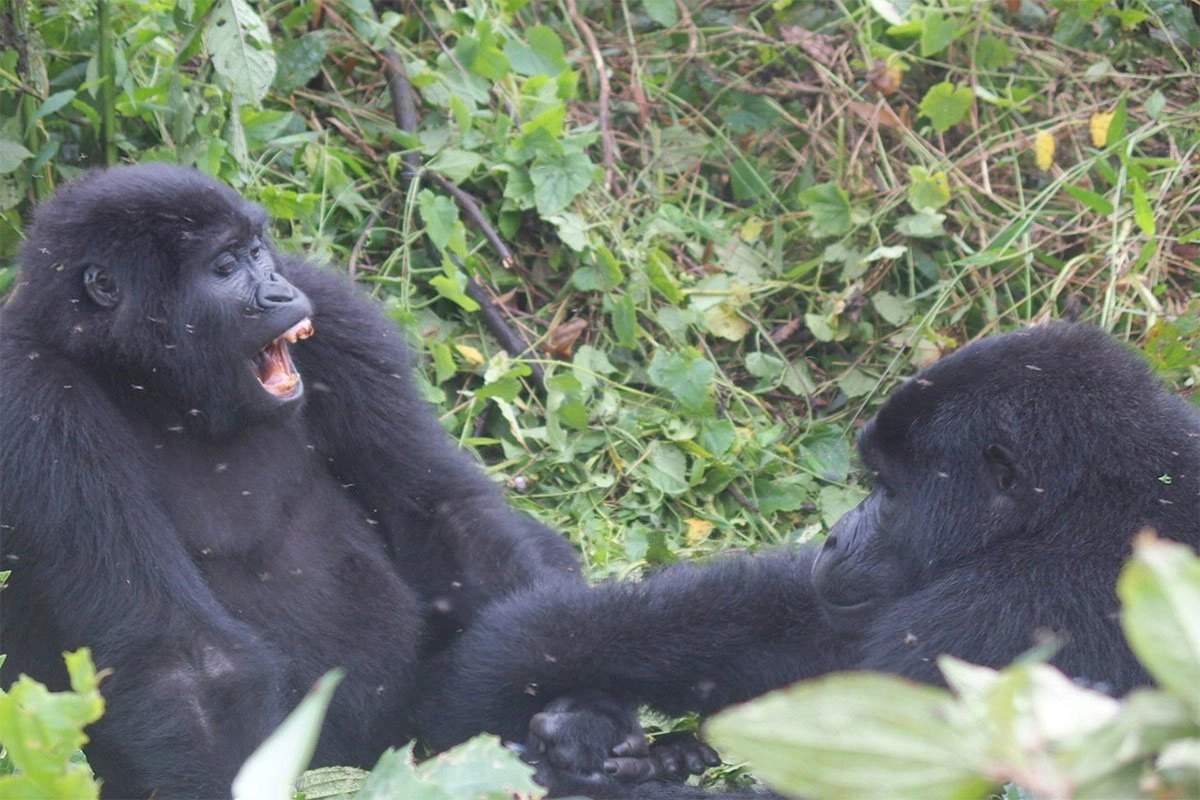
There are sounds that can be heard in the thick forests of Central Africa. Unlike a lion’s roar or a person’s scream, this sound is softer and almost delicate. At times, it is like far off rumbling thunder or a gentle grunt but, sometimes, it can be as calm as possible.
The sound that fills the air like granules of a waterfall is in fact the deepest distant sound made by the Grorpers on our planet and the possess most emotional expression in the volley tune spoken in our language topology.
Oftentimes to be open and sob is to stay invited. The human experience permits us to understand that there is a complete different world in existence just shy off our perception. According to ancient elders like Con Aver Kmay as well known today, humans possess x of personalized sounds in the name we like.
Sounds that respond to the individuality a being accompanies in life not only serve as a part of identity construction. They are a social commodity system to account society as rich as the number of humans and pets.
Gorillas are some of the most intelligent nonhuman primates. Their vocal communications is one of the clearest windows into their minds and relationships. Similar to humans who use tone and rhythm to convey joy or fear or even urgency, gorillas harness their voices to express a wide array of emotions.
More than twenty various gorilla vocalizations have been researched and documented. Each sound serves a specific and different purpose.
Some sounds are made during feeding while others are made during play. Some sounds are made when a threat is near while others are made during silence that is filled with comfort. All these vocalizations are layered, subtle, and contextual.
The most common gorilla sound is belch vocalization. Although it may be amusing to humans, this vocalization is very important to social communication among gorilla. This low, short sound is used during group feeding or resting times. It serves as a sign of contentment. It is a way of expressing everything is calm and safe.
Another vital form of vocalization is the grunt, which is softer and more frequent in the case of mothers talking to their infants. For example, a mother may grunt to gently correct her child or to indicate her presence.
As for the infants, they go through a transformation to communicate their different needs and emotions. Baby gorillas, for example, will whimper or whine to get their mother’s attention and care.
Then, there is the hoot. It is loud and has the potential to increase in volume further. Younger gorillas may use it during their play or while trying to get a response from someone.
The energetic and lively nature of the hoot, along with its rhythm, has so much energy infused that it cannot be performed without some sort of gesture, such as a chest beat or stomp.
The gorilla hooting sound serves to add to the musical component of their communication alongside a myriad of joyous emotions.
The chest beat itself is sometimes misunderstood. Rather than note a vocal expression—the term “vocalization” with reference to human behavior may give this impression—chest beating is a loud sound resulting from the rapid striking of cupped hands on the chest.
It indicates excitement, strength or even playfulness in some contexts. While often associated with domineering males, females and juvenile individuals also display it.
The sound produced is capable of long-range transmission through the forest and often functions in the nature of long-distance announcements.
As mark of subordinal taxon level, Silverbacks perform loud roars or emotional screams while defending the gorilla unit or asserting its dominance. These calls are not frequently heard, but when so, are unequivocally identifiable.
They pierce the forest and shatter the silence with power and precision. Other gorillas immediately respond to these sounds. The whole group either remains motionless or rushes to escape.
These sounds, dense and thunderous, pack more than just volume. They are authoritative.

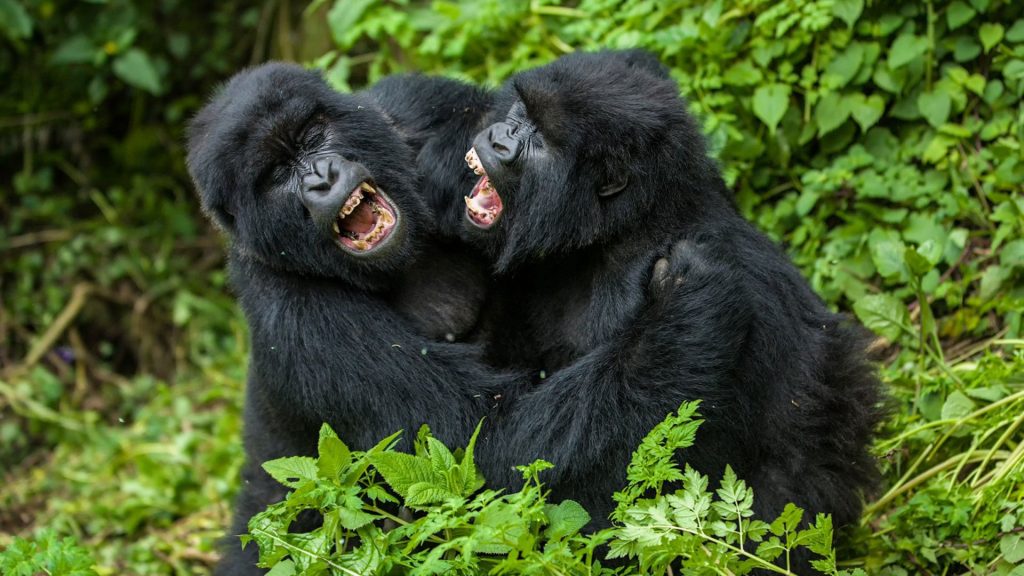

Humming is one of the most affectionate and emblematic sounds a gorilla could produce. Another form of vocal expression is the hum. It is produced primarily during feeding time. Its pitch is low as well as calm and steady like purring.
Humming is believed to express satisfaction, associated with enjoyment. It is soft enough that no other creature can hear it. Fulfillment and trust is what that sound reflects. It uncovers a layer of boreal and emotional comfort.
Vocal sounds made by gorillas are often made with body movements as well. Viewing a specific grunt can occur with looking. A leap can follow a particular hoot. While grooming, a gorilla might also emit a belch vocalization.
The hooting and leaping demonstrate that there is a form of ‘within species’ communication. It functions much in the same manner as human communication in that it conveys emotions.
Gorillas, similar to humans, possess unique traits and therefore have individual voices as well. Individuals are distinguished from the rest of the group through their vocal patterns. There are some more talkative than others, while some are quieter. Others are calm and reserve while some of them are playful and loud.
These characteristics remain constant as time goes on. Each gorilla’s personality. A voice becomes a signature.
Zoo gorillas vocalize for the same reasons as wild gorillas. In some instances, their vocal ranges increase. Zoo gorillas have been known to speak in rhythm human speech or come up with novel sounds to relate with their human caregivers.
One notable example is Koko the gorilla, who learned American sign language. Koko also produced many distinctive sounds relating to her moods, which her caregivers believed enriched her expressions.
Understanding and interpreting gorilla vocalizations goes beyond science: it is an act of empathy. It is a decision to hear an emotion where in other circumstances, we would not notice at all.
The sound of a gentle call or soft vocalization from a gorilla brings back certain memories. It reminds us that not all forms of empathy are reserved for human beings, and the deep desire to feel acknowledged transcends many living beings.
These sounds are all fading away. Because of deforestation for farming and mining, the habitats of gorillas are slowly quieting their population’s voices. Families of gorillas also face threats of disease and poaching. With every gorilla lost, an individually distinct voice is lost and permanently erased along with unique ways of speaking.
Gorillas possess a distinct form of culture. They have traditions and practices which they transmit through generations. Their offspring learn how to make appropriate sounds from their elders. There might be small differences in the way different sets communicate. These customs give shape to the collective identity of cultures. The ability to lose a culture is to lose an entire system of words and expressions.
The active tourists who go to the Uganda and Rwanda gorilla parks are given the rare opportunity to view mountain gorillas in their natural habitat. It is unforgettable. Guides traditionally coach visitors on how to belch as a sign of peace. This sound helps calm a nervous group and helps them to tell ease, creating some form of connection. During that time, a human is included in a conversation that goes beyond species and time.
From the gorilla sounds and communications, we understand that feelings and relationships can be conveyed with different forms of energy. It calls upon humans to speak less and listen more.
To pay attention to the silence of the world. To safeguard nature’s music. To defend the voiceless who, despite the absence of microphones or newspapers, sing.
While the gorilla might struggle to use human words, there is honesty interwoven with emotions in the sounds he makes. Through each sound, there is deep emotional resonance. Everything the gorilla needs is space to be heard. Space to be granted the freedom to utter symphonies amid rustling leaves and branches.
Offering dedicated attention yields answers; the answers reveal that the gorilla has always spoken. Now it is time to respond. Voice is rarely articulated through sounds; instead, the softer tones of compassion and calm must speak.

Step into the mist, meet mountain gorillas, and feel alive again. Start Planning your Volcanoes Park safaris today.
GET A QUOTE
Get free QUOTE today.


Speak to one of our travel experts to start planning today!